01Faculty and teaching quality
Ask who teaches each subject. Review how a concept is explained, how doubts are handled and whether teaching connects with UPSC questions.
Ask for a sample class or a discussion with the academic team.
BCM IAS • Sector 16A, Faridabad
Bright Career Maker IAS
A good preparation plan begins with a considered choice. Evaluate teaching, practice, mentorship and academic structure—and find an institute that fits the way you need to study.
Thoughtful preparation.
An informed beginning.
Discuss your UPSC strategy and study plan at our Sector 16A, Faridabad campus.
A conversation about your preparation. The team will confirm session availability.
Syllabus-led teaching
PYQ & current affairs linkage
Lakshya practice & evaluation
Hindi & English guidance
01 / Your selection checklist
Use these seven checks when comparing institutes. Ask for specific evidence, take notes and compare the same criteria at every campus.
Ask who teaches each subject. Review how a concept is explained, how doubts are handled and whether teaching connects with UPSC questions.
Ask for a sample class or a discussion with the academic team.
Look for a written academic plan with topic coverage, revision and room for catch-up. A long timetable alone does not establish syllabus depth.
Request a current schedule and syllabus coverage plan.
Check how objective practice, descriptive answers, essay and CSAT fit into your preparation rather than treating each as an afterthought.
Compare the balance of classes, practice and revision.
Distinguish tests included in your course from separately purchased series. Ask how answers are evaluated and how feedback informs the next attempt.
Request a sample test and an explanation of the feedback process.
Confirm the language of teaching, notes, tests and answer evaluation for your chosen programme. Bilingual discussion is different from full medium support.
Verify support for your medium in the specific batch.
Match attendance and independent study with college, work and family responsibilities. Ask what happens when you miss a class.
Build a realistic weekly study plan before enrolling.
Compare the written total cost, payment terms, materials, tests and optional courses. Ask about extra charges and applicable refund terms.
Get the official fee sheet and inclusions in writing.
Complete academic support
Comprehensive academic programmes and preparation support available at Sector 16A, Faridabad.
Separate dedicated batches with medium-specific study support.
Interactive classroom learning in Sector 16A and flexible online access.
Sectional and full-length mock tests with detailed explanation support.
View Lakshya testsEvaluated mains test papers with structured feedback and model guidance.
View Lakshya testsDaily analysis, editorial support and monthly issue-based preparation.
Explore current affairsRegular answer writing support with review-oriented academic guidance.
Explore Mains practiceStructured physical and digital study material compiled for preparation.
High-yield revision material and factual support for prelims preparation.
Topic-wise practice sets and previous-year question-based reinforcement.
Paper I and II guidance for aspirants considering this optional subject.
Explore Public Administration OptionalGuidance support for planning, doubt resolution and preparation direction.
DAF-based interview support, current affairs discussion and mock guidance.
Explore interview guidanceFrom classroom to revision
Structured Teaching. Continuous Practice. Measurable Progress.
At BCM IAS, preparation is organised around conceptual classroom learning, UPSC previous-year questions, structured assignments, study resources, testing and revision. Our digital systems support academic continuity and visibility for students and parents.
Build conceptual clarity through syllabus-led teaching and foundational study.
Connect topics with previous UPSC questions and the demands of the examination.
Reinforce learning with topic assignments, answer writing and CSAT problem sets.
Practise sectional and full-length papers through the Lakshya testing framework.
Use answer evaluation and mistake analysis to identify areas needing attention.
Return to concepts, notes and Gyaan Deep material with a clearer revision focus.
Resources with a purpose
Academic resources support each stage of the learning cycle.
Reading & revision
GS & CSAT study material and Gyaan Deep revision resources connect foundational reading with focused Prelims practice.
Explore study & revision supportTopics to questions
Topic-wise previous-year question integration connects syllabus learning with UPSC question demands and PYQ-oriented problem solving.
Explore the academic frameworkPractice between tests
Topic assignments, answer-writing drills and CSAT problem sets reinforce classroom study between scheduled tests.
Read about the learning cycleIssues to syllabus
UPSC-oriented issue analysis brings GS syllabus links, Prelims facts and Mains perspectives into regular study and revision.
Explore published current affairs02 / The BCM academic framework
BCM’s published courses connect foundation teaching, question practice, testing and revision. Explore the academic components below, then confirm what is included in your chosen programme.
BCM’s course information describes GS Integrated Foundation and a College Foundation pathway. The teaching approach connects NCERT foundations and standard sources with General Studies, CSAT, current affairs and answer-writing practice.
Read the foundation programme structureLakshya includes PYQ orientation and CSAT problem-solving practice. BCM’s current-affairs approach maps issues to the GS syllabus, with Prelims facts and Mains perspectives to connect current developments with static topics.
Explore syllabus-linked current affairsLakshya’s published framework includes Prelims GS and CSAT practice, Mains GS I–IV and Essay answer writing, evaluation and assignments. Gyaan Deep provides Prelims-oriented study and revision support linked to test preparation.
Review Lakshya practice and evaluationFor the full campus and coaching overview, see UPSC coaching in Faridabad.

Academic direction & mentorship
03 / Academic direction
Founder & Academic Director
The institute’s academic leadership page identifies Adv. Sunny Kapoor as overseeing academic direction, course design, classroom delivery standards and mentorship frameworks. Review the faculty information and confirm subject-wise teaching arrangements for your programme.
Meet the academic leadership04 / Find your preparation pathway
Your starting point matters. Explore the relevant programme, then confirm the current batch, medium, schedule and inclusions with the academic team.
For beginners who need a structured introduction to General Studies and an integrated preparation plan.
For undergraduates planning to balance graduation, classroom learning and regular self-study.
For aspirants considering this optional and seeking clarity on its syllabus and answer-writing demands.
For aspirants ready to practise exam-style papers and identify areas that need revision.
For aspirants who want focused work on aptitude, reasoning and reading comprehension. Ask about the current course format.
05 / Know the full cost
Compare the complete preparation cost. A headline fee is useful only when you know exactly what it covers.
Total payable fees and payment options
Programme duration and current batch timings
Classes and subjects included
Tests, evaluation and study materials
Additional charges and applicable terms
Teaching medium and learning mode
Request the current official fee sheet for the programme you are considering. Confirm fees and inclusions with the campus before making a payment.
Request an official fee sheet06 / Achievement records
Review achievement records in context. Ask which programme a student attended, and consider independent experiences alongside your own assessment of teaching.
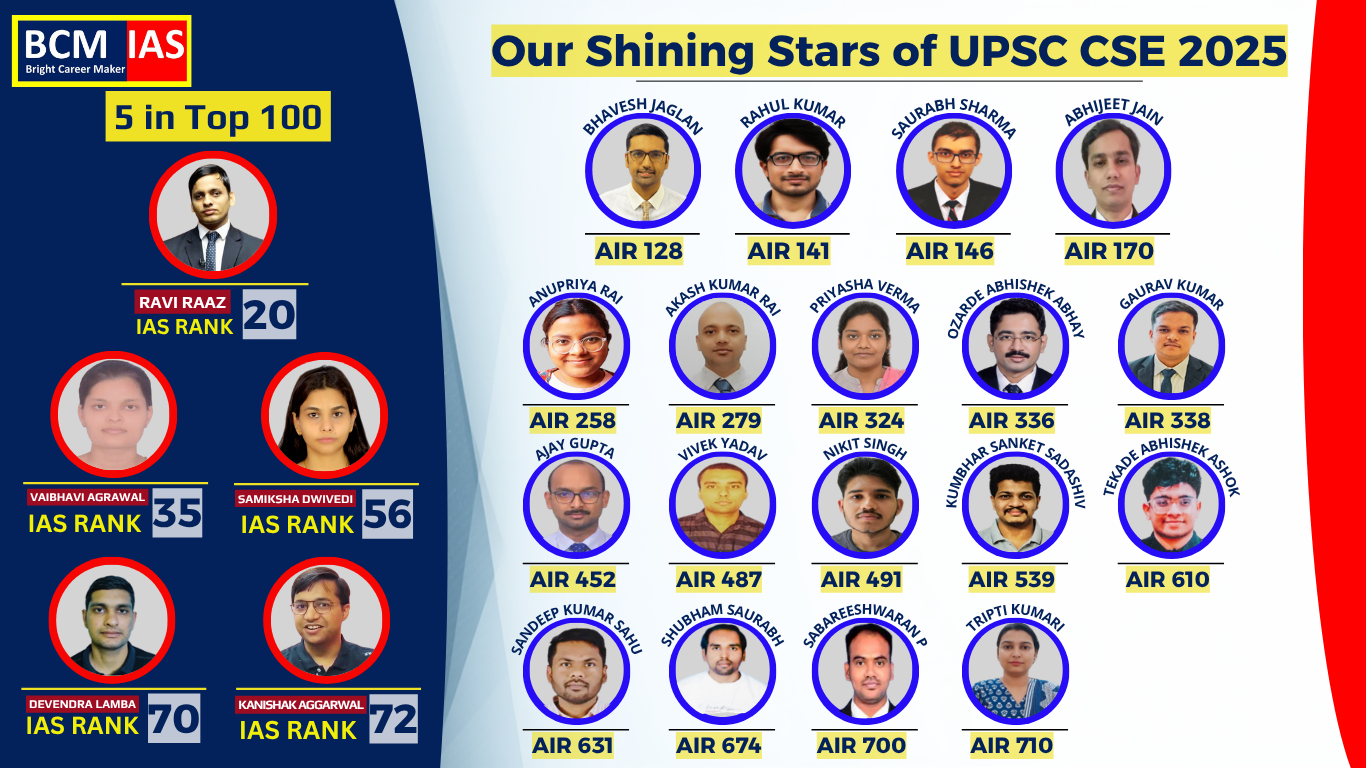 View results and achievement records
When comparing UPSC coaching reviews in Faridabad, look for recent, detailed accounts of teaching, evaluation and communication. Individual results and experiences do not guarantee another student’s outcome.
Use specific accounts of classroom learning and feedback to frame your own questions about the programme you are considering.
07 / Compare your weekly routine
Compare the actual institutes and your weekly routine. Location is one factor; the quality and suitability of the programme still need to be assessed.
| What to compare | Studying in Faridabad | Travelling to Delhi |
|---|---|---|
| Door-to-door commute | Measure travel from your home to the Sector 16A campus at class time. | Measure the full trip to the specific Delhi institute, including transfers. |
| Total preparation cost | Include fees, transport, meals and any separate materials or tests. | Include the same items, plus accommodation if a move is necessary. |
| Class consistency | Check whether the timetable fits your college, work and travel routine. | Check whether the journey remains manageable across the full programme. |
| Self-study time | Plan revision and practice around your actual class and travel hours. | Use the same weekly calculation before committing to a commute. |
| Faculty interaction | Ask how doubts, mentoring and feedback are handled in your batch. | Ask the same questions; city and batch size alone do not establish access. |
| Programme suitability | Compare syllabus, medium, teaching and evaluation with your needs. | Compare the specific programme on the same evidence. |
08 / Meet the academic team
Bring your questions about the syllabus, language support, timetable and fee sheet. Contact the campus to arrange a suitable visit.
Use the address search for directions and confirm the location with the team before travelling.
09 / Before you enrol
Start with your preparation stage, medium and weekly availability. Compare teaching, syllabus plans, practice, feedback and written fees. Choose the programme you can follow consistently, rather than relying on a ranking claim.
Ask who will teach your subjects, discuss a syllabus topic and request a sample class if available. Look for clear explanations, links to previous UPSC questions and a practical doubt-resolution process.
Ask the counselling team whether a demo or class observation is available for the programme and medium you are considering. Availability and timing need to be confirmed by the campus.
Fees depend on the programme and its inclusions. Request an official, current fee sheet from each institute and compare total payable fees, instalments, study materials, tests and any additional charges.
BCM’s existing programme information covers Hindi and English medium preparation. Confirm the teaching, materials and evaluation language for the particular programme and current batch before joining.
Yes, preparation can be planned alongside college. Compare class timings with your college calendar and protect time for revision. Explore BCM’s college foundation options and confirm the current schedule with the team.
Compare actual door-to-door travel, total cost, programme fit and time left for self-study. The better choice depends on your location and needs; neither city is automatically right for every aspirant.
Submit a free academic counselling enquiry or contact the campus. The team will follow up to discuss your needs and confirm a suitable visit or session. Submitting an enquiry does not book an appointment automatically.
Clarity before commitment
Discuss your target attempt, preferred medium and study routine with Bright Career Maker IAS. Ask about programme fit, current fees and the next practical step in your preparation.
Book Free Academic CounsellingAn enquiry requests a follow-up; the team will confirm session availability.